Sigue la serie para marcar sus episodios como vistos.
Picture a Scientist: Women make up less than a quarter of STEM professionals in the United States, and numbers are even lower for women of color. But there is a growing group of researchers who are writing a new chapter for women scientists, exposing longstanding discrimination, and leading the way in making science more inclusive. A biologist, a chemist, and a geologist lead viewers on a journey through their own experiences in the sciences, ranging from outright harassment to years of subtle slights. Along the way, from cramped laboratories to spectacular field stations, scientific visionaries, including social scientists, neuroscientists, and psychologists, provide new perspectives on how to make science itself more diverse, equitable, and open to all.Search Engine Breakdown: Why does a widely used internet search engine deliver results that can be blatantly racist and sexist? Two leading information researchers, Safiya Noble, PH.D. and Latanya Sweeney, PH.D., investigate their discoveries of hidden biases in the search technology we rely on every day, involving pornographic images and ads implying criminal behavior triggered by simple search queries. Both researchers share common concerns about how everyday online searches can reinforce damaging stereotypes and explore how technology can be made more equitable.
Sigue la serie para marcar sus episodios como vistos.
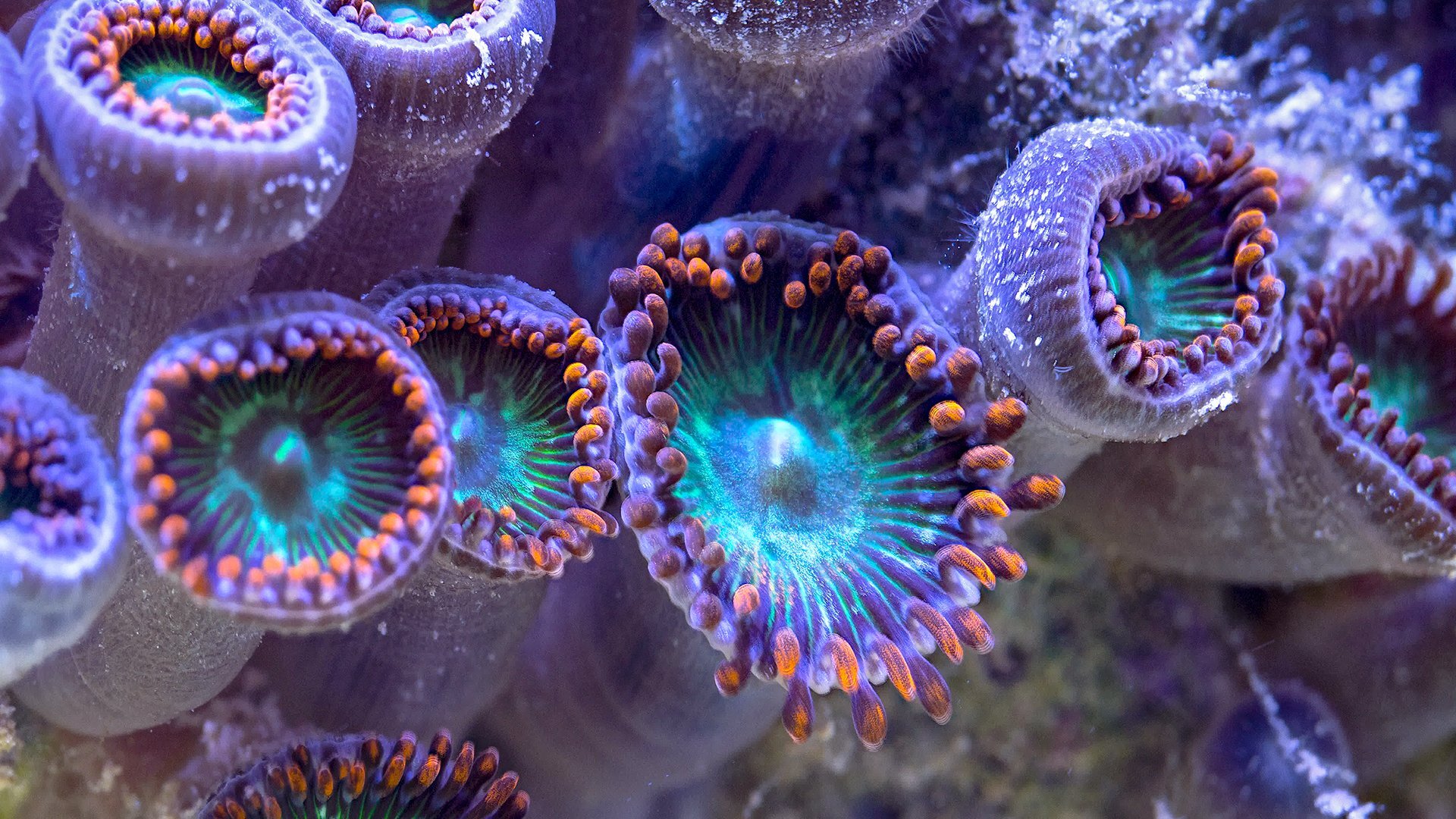
Coral reefs are not just beautiful; they are also home to over a quarter of all marine life and are crucial to human societies around the globe. But as the climate changes and oceanic heatwaves become commonplace, corals are bleaching, and reefs are dying off. Now, marine biologists worldwide are teaming up to counteract this catastrophe with a technique called assisted evolution. Follow scientists as they attempt to crossbreed heat-resistant corals and even transplant corals' algae in a race to save the coral reefs from extinction.
Sigue la serie para marcar sus episodios como vistos.
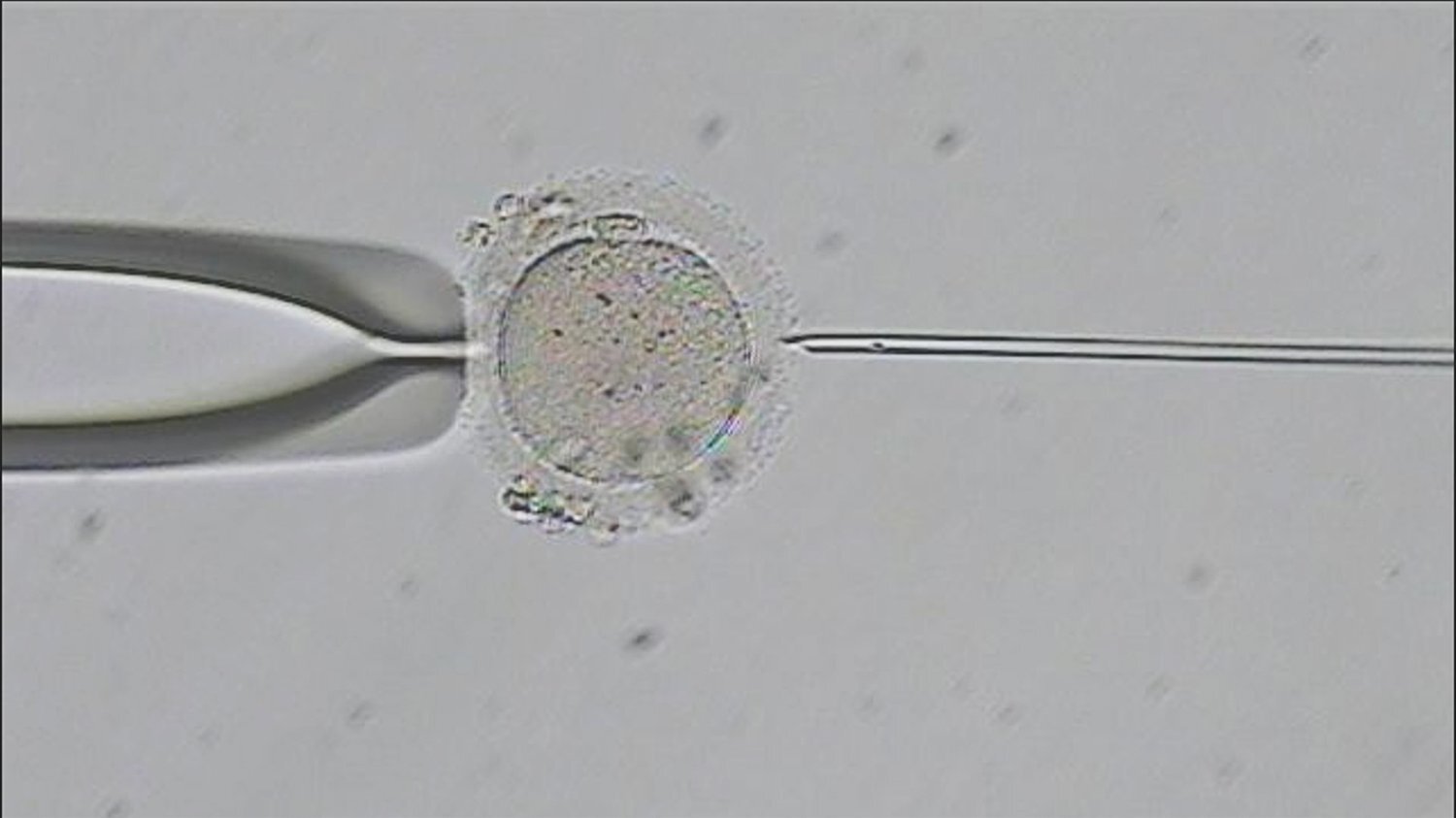
In the United States, some 10% of people who wish to have children struggle with infertility. It's prevalent in the African American community, and fertility preservation can also be difficult for transgender individuals. But why is this? And what can be done about it? NOVA explores barriers to fertility, from the social to the biological, and the state of assisted reproductive technologies. Follow the journeys of people navigating challenges from structural inequalities and racism to falling sperm counts, egg freezing, and IVF.